
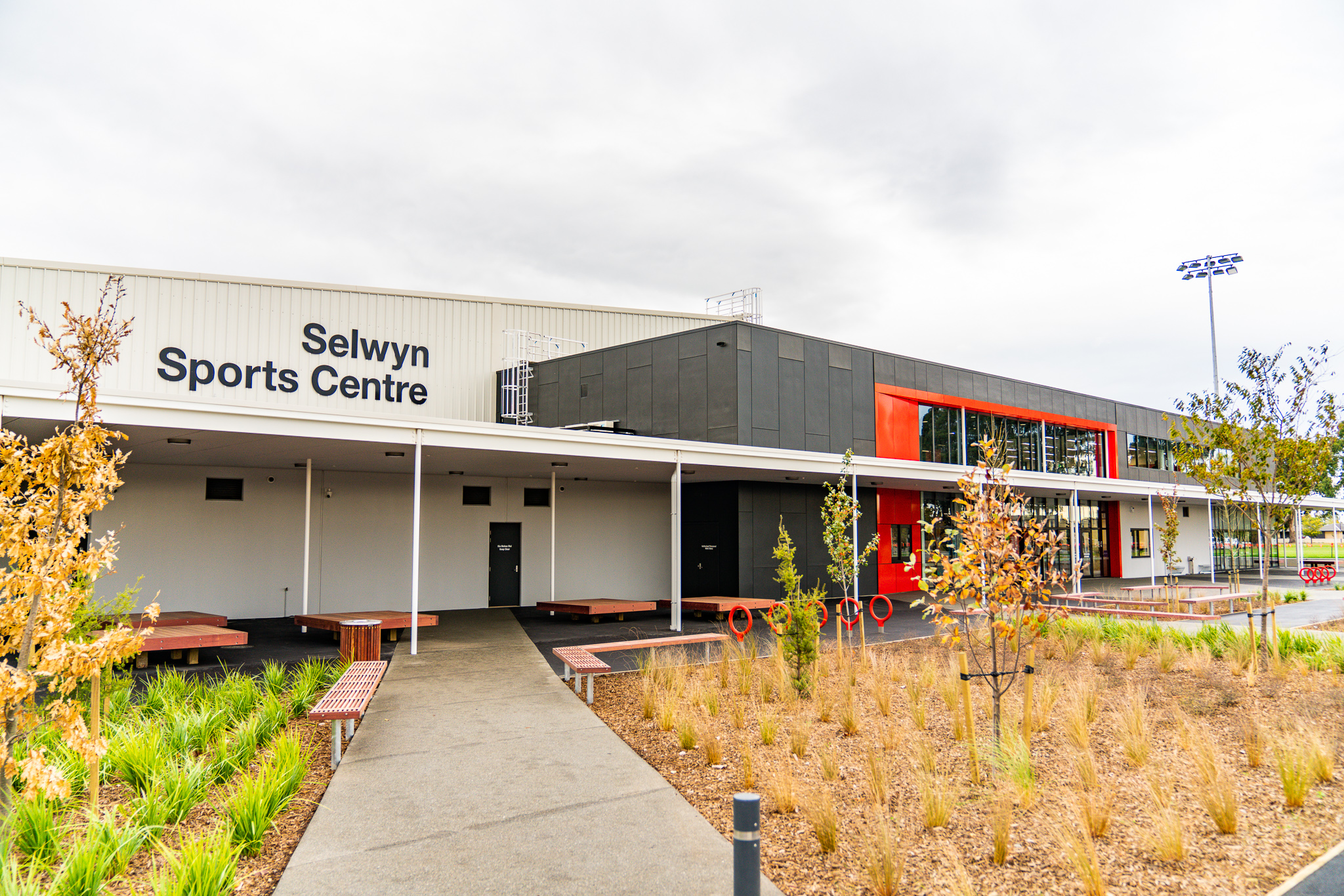
Selwyn Community Facilities Network Strategy

Client
Selwyn District Council

Project Purpose
Development of a clear strategic framework that guides how community facilities are planned, owned, operated and invested in across the Selwyn District (District) over time.

Otium’s Role
- Complete high-level functionality assessments, benchmarking, demographic analysis and catchment mapping.
- Model future demand and identify network gaps, pressures and duplication.
- Classification of facilities based on their strategic role within the district-wide network.
- Test retain, enhance, repurpose, replace, consolidate and divest scenarios.
- Development of a staged implementation plan aligned with long-term strategies.
- Develop a prioritised implementation pathway supported by property advice and Social Return on Investment analysis.

Project Outcomes
- An overarching Community Facilities Network Strategy integrating all major facility types.
- The development of four separate network plans:
- Galleries, Libraries, Archives and Museums Network Plan
- Aquatic Facilities Network Plan
- Community Centres and Halls Network Plan
- Indoor Courts Network Plan.
- A consistent framework for assessing need, facility roles, levels of service and future provision.
- Clear priorities for investment, renewal, repurposing, consolidation, partnerships and potential divestment.
- A staged roadmap aligned with Council’s Long-Term Plan and Infrastructure Strategy processes.
- Decision-ready advice to support transparent, sustainable investment choices.

Project Challenges/Key Learnings
- Rapid and uneven growth requires different responses for urban areas, established towns and rural communities.
- Facilities vary in ownership, age, function and operating model, requiring a consistent assessment approach.
- Planning must balance community value with affordability, asset sustainability and long-term fiscal resilience.

Community Benefits
- More equitable access to community facilities.
- Better utilisation of existing facilities leading to a more sustainable network.
- Investment will be directed to the spaces and services that deliver the greatest long-term community benefit.