Dungog Open Space and Recreation Plan 2022-2032

Dungog Open Space and Recreation Plan 2022-2032

Dungog Open Space and Recreation Plan 2022-2032

Client

Dungog Shire Council

Project Purpose

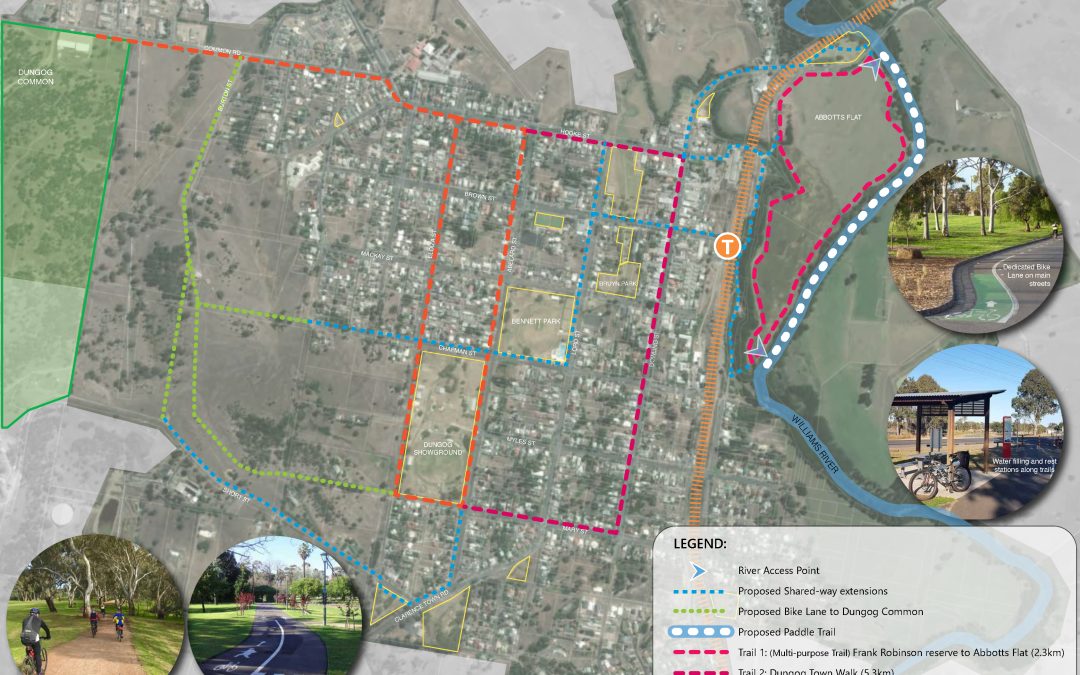
Otium was engaged by Dungog Shire Council to ‘Develop a 10-year Open Space and Recreation Plan (Plan) within the Dungog Shire LGA, which includes the provision of a quality sporting, open space and recreation infrastructure offering’.

Otium’s Role

  • Research and analysis of the current situation.
  • Community and stakeholder consultation.
  • Analysis of findings and future demands.
  • Recommendations and Priority Action Plan.
  • Opportunity Mapping for established planning catchments.

Project Outcomes

  • Developing strategic directions in the future planning of Dungog Common, a regional outdoor recreation space within the Shire.
  • Identification and prioritisation of actions to form the 10-year Implementation Plan.
  • Development of the open space and recreation framework and categorisation of existing facilities.
  • Identifying funding opportunities to deliver identified priority actions for the implementation of the plan.
Darkes Road District Sports Park and Community Hub Concept Plan

Darkes Road District Sports Park and Community Hub Concept Plan

Darkes Road District Sports Park and Community Hub Concept Plan

Client

Wollongong City Council

Project Purpose

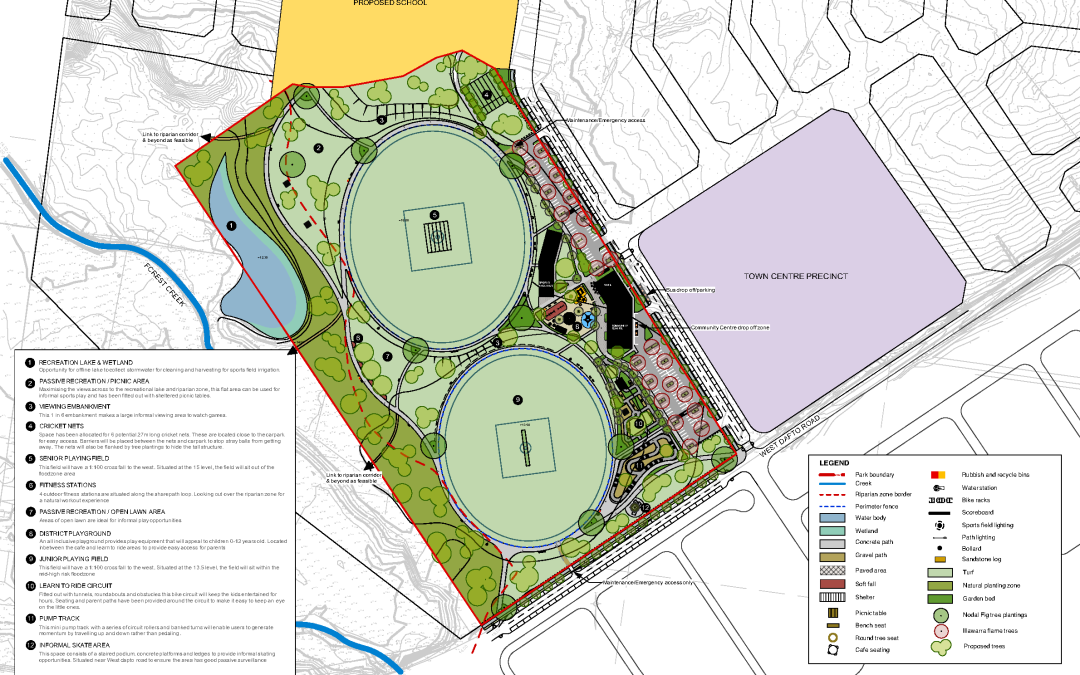
To develop a strategic vision and preferred concept design for the future Darkes Town Centre District Sports Park and Community Centre Hub.

Sub-consultants on this project include CO-OP Studio, Johnson & Cumming, and Environmental Partnership (NSW) Pty Ltd.

Otium’s Role

  • Site analysis.
  • Stakeholder and community engagement.
  • Develop vision and design principles.
  • Develop site concept plan, component schedule and cost estimates.
  • Identification of commercial opportunities.

Project Outcomes

This masterplan was instrumental in securing $14m in government funding.

Project Challenges/Key Learnings

Maximising the diversity of recreation offerings within a site constrained by flooding.

Community Benefits

Once developed, the Darkes Road District Sports Park and Community Hub will provide a rangeof sports, active recreation and community opportunities through an integrated community centre within the district parkland setting.

Cumberland Sports Surfaces Plan

Cumberland Sports Surfaces Plan

Cumberland Sports Surfaces Plan

Client

Cumberland City Council

Project Purpose

Otium was appointed by the Cumberland City Council to undertake research and apply best practice sport surface guidelines to optimise the sporting outcomes of their existing sport facility network for their current and future communities.

Otium’s Role

Otium led the project, including the following tasks:

  • Background research and supply analysis.
  • Community engagement, including a community survey, local club survey and State Sporting Organisation interviews.
  • Demand modelling for current and future needs of the sporting network.
  • Development of intervention opportunities.
  • Site assessment and shortlisting of priority sites for synthetic surface intervention.
  • Delivery of guiding principles, decision-making framework and site-specific recommendations


Project Outcomes

 The project provided a set of high, medium, low, ongoing and future recommendations for the sporting fields, netball courts and tennis courts, to assist in planning for these facilities beyond 2036. This included the shortlisting of sites for synthetic surface planning and implementation.

Project Challenges/Key Learnings

  • Balancing need and investment across various surface typologies.
  • Site-specific impacts on the ability to deliver interventions.

Community Benefits

  • Enhanced participation outcomes through enhancing the City’s sport surfaces.
  • Evidence-based approach to planning and investment.

Clarkson Library Facility Management Plan

Clarkson Library Facility Management Plan

Clarkson Library Facility Management Plan

Client

City of Wanneroo

Project Overview

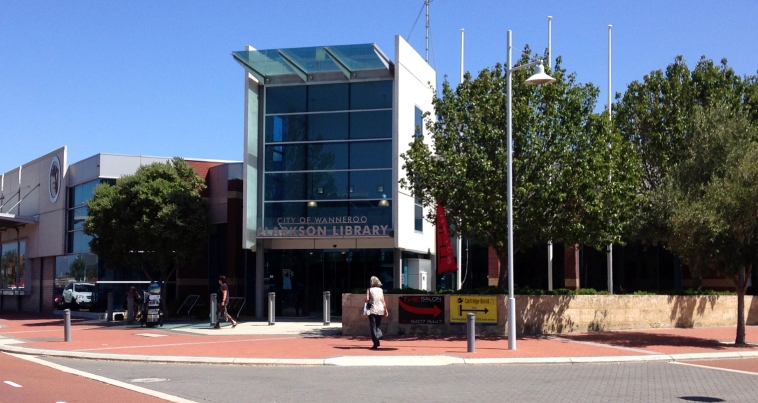
The objective of these works was to provide a 20-year Facility Management Plan (FMP) for the Clarkson Library. It provides an understanding of the current levels of service and condition of the library facility, and the needs/measures to be considered by the City to maximise the facility’s potential and functionality.

It involved an assessment of the building’s functionality to influence the long-term planning and the City’s future investment decisions related to the facility. Four technical reports were undertaken relating to:

  • Essential safety measures report (fire and emergency compliance) completed by Australian Essential Services Compliance (AESC).
  • Structural Maintenance Plan completed by Structerre Consulting (Structerre).
  • Building disability access and compliance inspection undertaken by Taycon.
  • Condition Assessment and Lifecycle Costing Analysis completed by HFM Asset Management (HFM).

These works also required a functionality assessment of the Clarkson Library to identify current operating constraints and limitations within the current design, with a view to improving the service levels and functional capabilities for the community. This involved consultation with internal stakeholders who have had a direct interest in the performance and/or functionality of Clarkson Library, to gain insight into building operations and perceptions of what does or does not work well.

Project Outcomes

The outputs from the technical review identified a series of recommendations relating to the buildings’ compliance with Australian Standards, statutory obligations and best practice in relation to the ongoing management of the Clarkson Library.

In total, 168 assets were viewed and, in general, it was found that the building is in good condition, being maintained to a good level with minor maintenance and aesthetic renewals required and a need for several non-conformances to current standards, particularly around accessibility, e.g., door handles, door widths, etc.

This culminated in the development of a Life Cycle Cost Management spreadsheet, which outlines the Renewals Plan (asset renewals) and recommended Planned Preventative Maintenance (PPM) tasks. It identified that the most significant investment years are 2029, 2032, and 2039, with a major investment required in 2040.

The functionality audit found:

  • The current design of the facility is its biggest limiting factor, which is likely to have an adverse impact on its current and future performance. While being located in a reasonable location, it will be difficult to expand the library due to adjacent buildings, limited car parking, and its ‘built as’ design.
  • There are some design issues (separation of the staff areas, transition space through the library and changes to the reception) that will need to be addressed in the coming years.

Newcastle Inland Pools Strategic Plan

Newcastle Inland Pools Strategic Plan

Newcastle Inland Pools Strategic Plan

Client

City of Newcastle

Project Purpose

To conduct a critical review of its inland pools and provide recommendations. The City’s five inland pools are all of similar age and facility mix. This strategic plan provides a recommended investment strategy for each inland pool to ensure their safe operation and consider enhancements over the next 20 years.

Project Objectives

The objectives of this project included:

  • Identify and provide evidence to support the estimated life expectancy of each pool’s shell.
  • Where relevant, propose repair vs replacement costs.
  • Identify any equipment in need of replacement or repairs to meet industry standards.
  • Develop a prioritised schedule of works for each facility, complete with cost estimates and timeframes.
  • Report based on structural assessment and safety compliance.


Project Outcomes

The Strategy provides Newcastle City Council with:

  • A review of the operational performance Council’s inland pools.
  • An assessment of the inland pool’s conditions, undertaken by JWC Engineers (2021). Recommendations were also provided for further testing and the implementation of a five-year emptying schedule for the pools, allowing for more cost-efficient repair, if needed.
  • Analysis and recommendations guided by key principles that align future improvements and investment to Council values.
  • A classification of the network.
  • Individual pool recommendations, sorted as short term (0-5 years), medium term (6-10 years), and long term (11-20 years), with cost estimates.