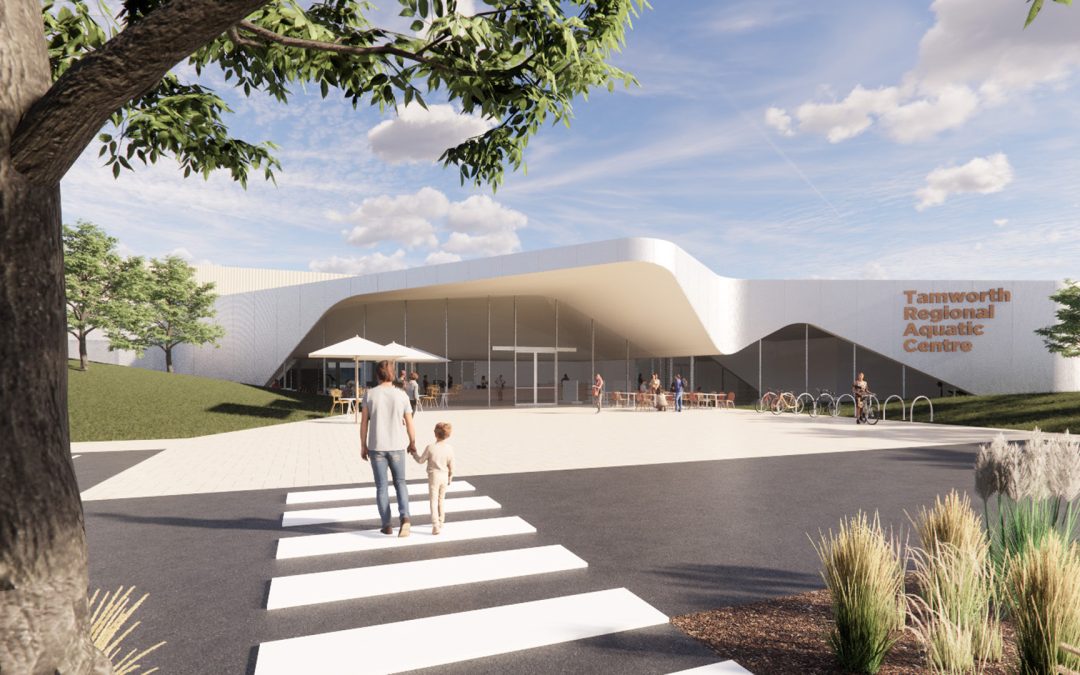
Tamworth Regional Aquatic Centre Business Case

Tamworth Regional Aquatic Centre Business Case

Tamworth Regional Aquatic Centre Business Case

Client

Tamworth Regional Council (NSW)

Project Purpose

Otium has worked with Tamworth Regional Council with its planning, design, and funding applications in several projects for the Tamworth Regional Aquatic Centre and Northern Inland Centre of Sport and Health. The critical pieces of works were developing Business Cases in accordance with NSW Treasury Guidelines.

Otium’s Role

  • Feasibility investigations and stakeholder engagement.
  • Site location assessments.
  • Concept plan development.
  • Preparation of a business case to assist our client with their application for State and Federal funding opportunities.
  • Design specification of the Regional Aquatic Centre, including the schedule of necessary components.

Project Outcomes

  • The Business Case for this Aquatic Centre was successful in earning $15 million through NSW Centre of Excellence Fund and $9 million through the Australian Government Growing Regions Fund.
  • The project will provide regionally significant aquatic, sport, and recreational facilities to the local Tamworth community and the surrounding New England North West region across three development stages.

Project Challenges/Key Learnings

  • The Council’s existing Aquatic Centres were both aged and facing the end of their serviceable life.
  • Consultation with a range of stakeholders and managing the needs required in the precinct.
  • Testing of design options across various sites.
  • Disruptions to planning and the cost implications of COVID-19.

Community Benefits

  • The Business Case has significantly contributed to funding the $45 million centre.
  • A total of $132,063.560 direct and indirect benefits will be realised over 10 years of the centre’s operation.
  • Increase in regional income through hosting of sporting events and additional employment opportunities.
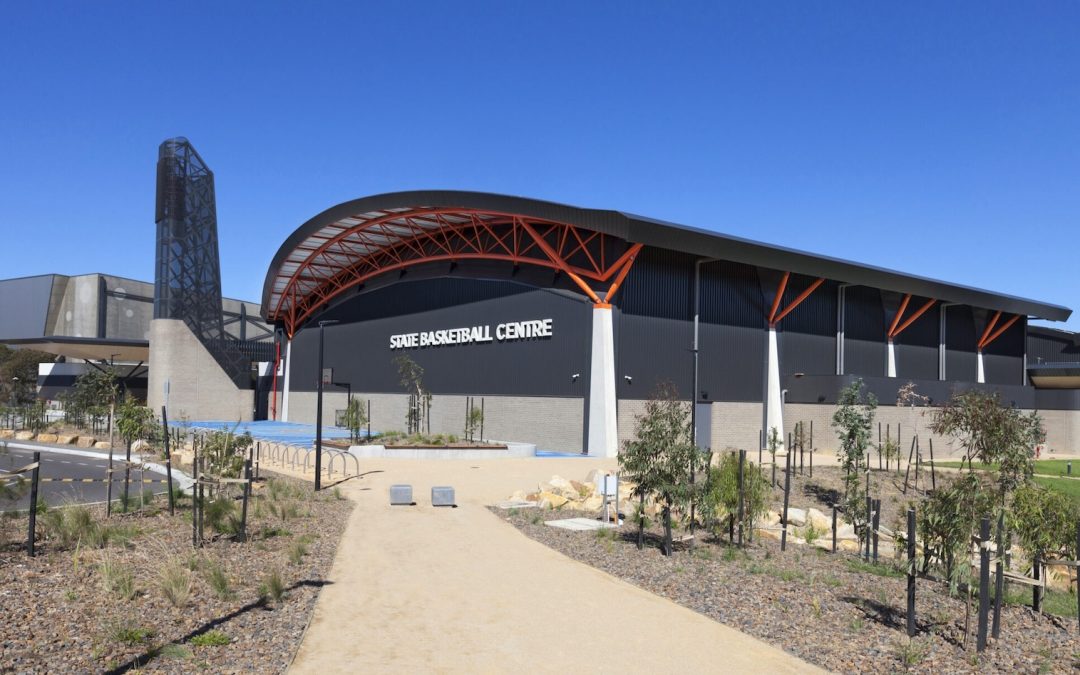
State Basketball Centre

State Basketball Centre

State Basketball Centre

Client

Knox City Council (VIC)
Otium’s Role
Stage 1:
  • Feasibility/needs assessment.
  • Site assessment.
  • Development of the funding application.
  • Ongoing business and operational plans.
Stage 2:
  • Development of a business case.
  • Development of a facility component schedule to guide the architectural brief.

    Project Outcomes

    • Identification of the preferred site.
    • Successful development of Stage 1 (6 indoor sports courts) including a 3,000 seat show court.
    • Successful development of Stage 2, which includes 12 new indoor community courts (total 18 courts), comprehensive training facility for high performance basketball, regional gymnastics facility and administration facilities ($132 million development).

    Project Challenges/Key Learnings

    • Providing a balance between community and elite sport facilities.
    • Governance model for the facility.
    • Design issues to ensure functional and operating imperatives addressed.

    Community Benefits

    Development of a state-of-the-art basketball facility that supports the participation pathway from grassroots through to NBL training and competition.
    Pimpana Sports Hub and Aquatic Centre

    Pimpana Sports Hub and Aquatic Centre

    Pimpana Sports Hub and Aquatic Centre

    Client

    City of Gold Coast (QLD)

    Project Purpose

    Otium Planning Group was engaged, together with Liquid Blu Architects, by the City of Gold Coast Council to prepare a business case, in order to “establish an integrated aquatic, sporting and community precinct; provide social, community and event infrastructure in the Northern Gold Coast; and create a true, ‘contemporary’ destination for the local community and visitors.”

    Heritage Park, located at 139 Rifle Range Road, Pimpama, was identified as the site for the delivery of the Precinct and was to incorporate the following elements:

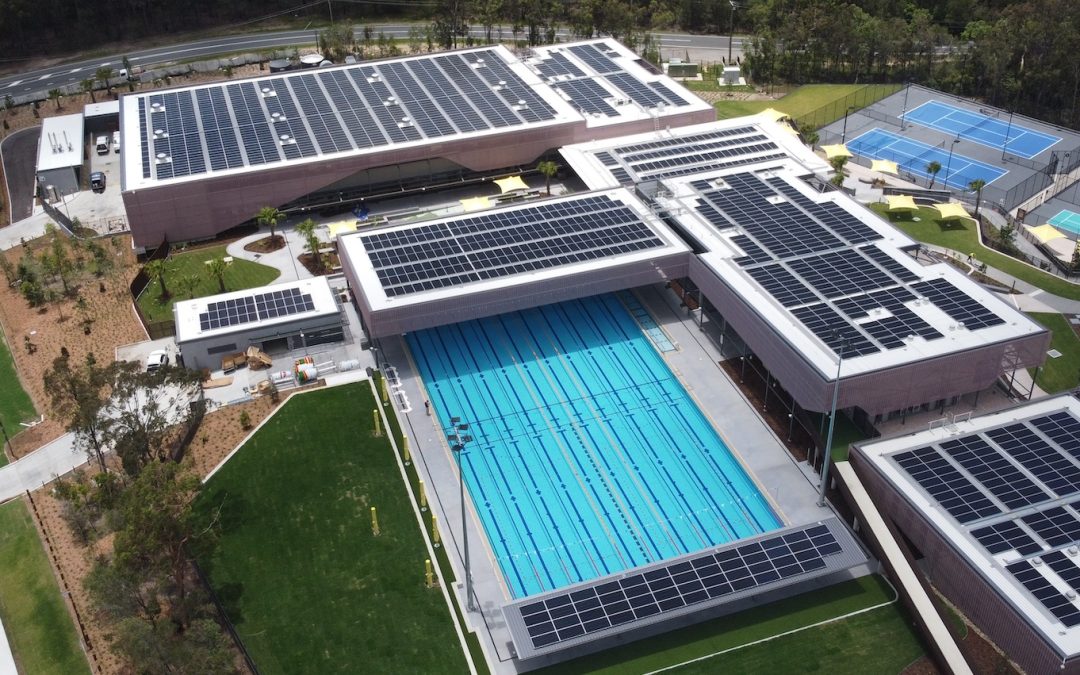
    • Aquatic and leisure centre
    • Tennis centre
    • Community centre
    • Netball facility
    • Recreation parks and other community spaces.

    Otium’s Role

    • Construction Staging Advice.
    • Development of Business Case Assumptions, including:
      • Operational hours
      • Generic, then agreed, management model
      • Potential staffing structure
      • Usage by activity type by activity area
      • Operational expenditure by activity area
        Global impacts (i.e. CPI, pricing, demand growth etc.)
      • Asset management costs and other relevant information.
    • Preparation of Base Case 10-year Electronic Financial Modelling.
    • Staging Advice.
    • Grant Application Support.
    • Return on Investment Analysis.

    Project Outcomes

    • The co-location of multiple facilities, programs and services optimised management synergies, and capital delivery and operational costs.
    • The Sports Hub is close to capacity with Council planning now investigated a potential second site in the Northern corridor.

    Project Challenges/Key Learnings

    • As a greenfield site, identifying the appropriate facility elements and their scale was critical to its sustainability.
    • Ensuring the Hub retained the intent of the original city-wide aquatic strategy became more difficult as new disciplines were introduced.

    Community Benefits

    • There is a diversity of sport, recreation, event and social gathering opportunities for all members of the community regardless of their background.
    • The Hub is an integral destination for a significantly growing and new community to be physically active, engage and be healthy.

    Penrith Indoor Multi-Sport Complex Business Case

    Penrith Indoor Multi-Sport Complex Business Case

    Penrith Indoor Multi-Sport Complex Business Case

    Client

    Penrith City Council (NSW)

    Project Purpose

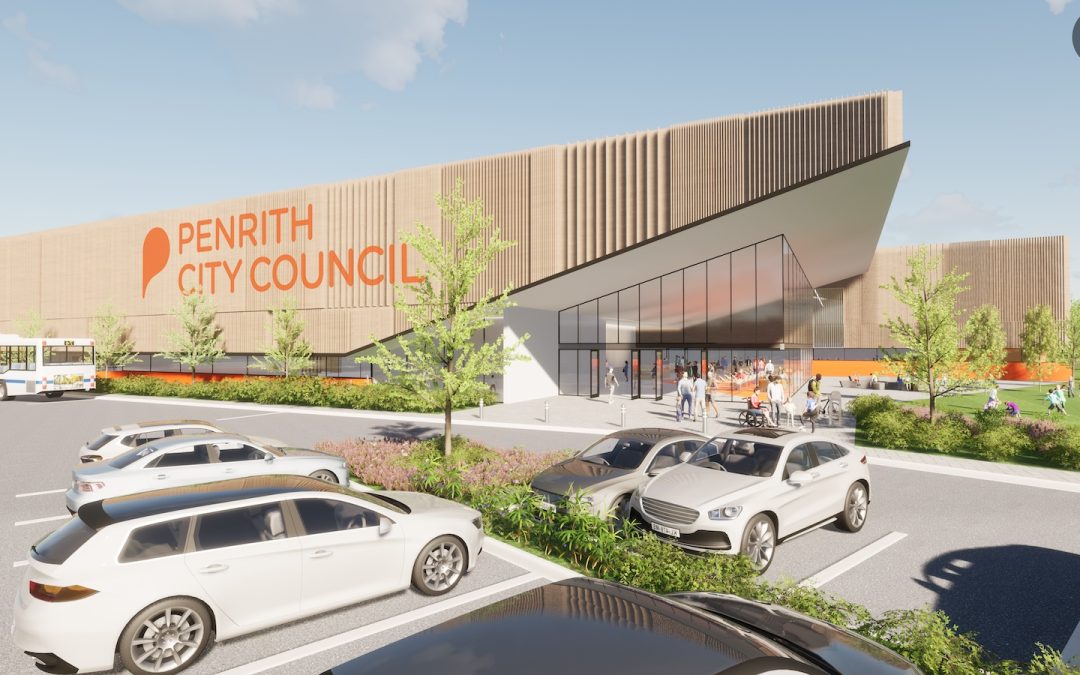
    Preparation of a business case to provide the rationale of need for the development of a new indoor sports complex in Western Sydney. The business case developed by Otium was utilised to secure investment funding.

    Otium’s Role

    • Demand analysis for indoor sports.
    • Concept plan development.
    • Financial, operational and visitation modelling.
    • Stakeholder engagement.
    • Engaging economists to undertake cost benefit analysis.

    Project Outcomes

    Successfully secured $106 Million to deliver:

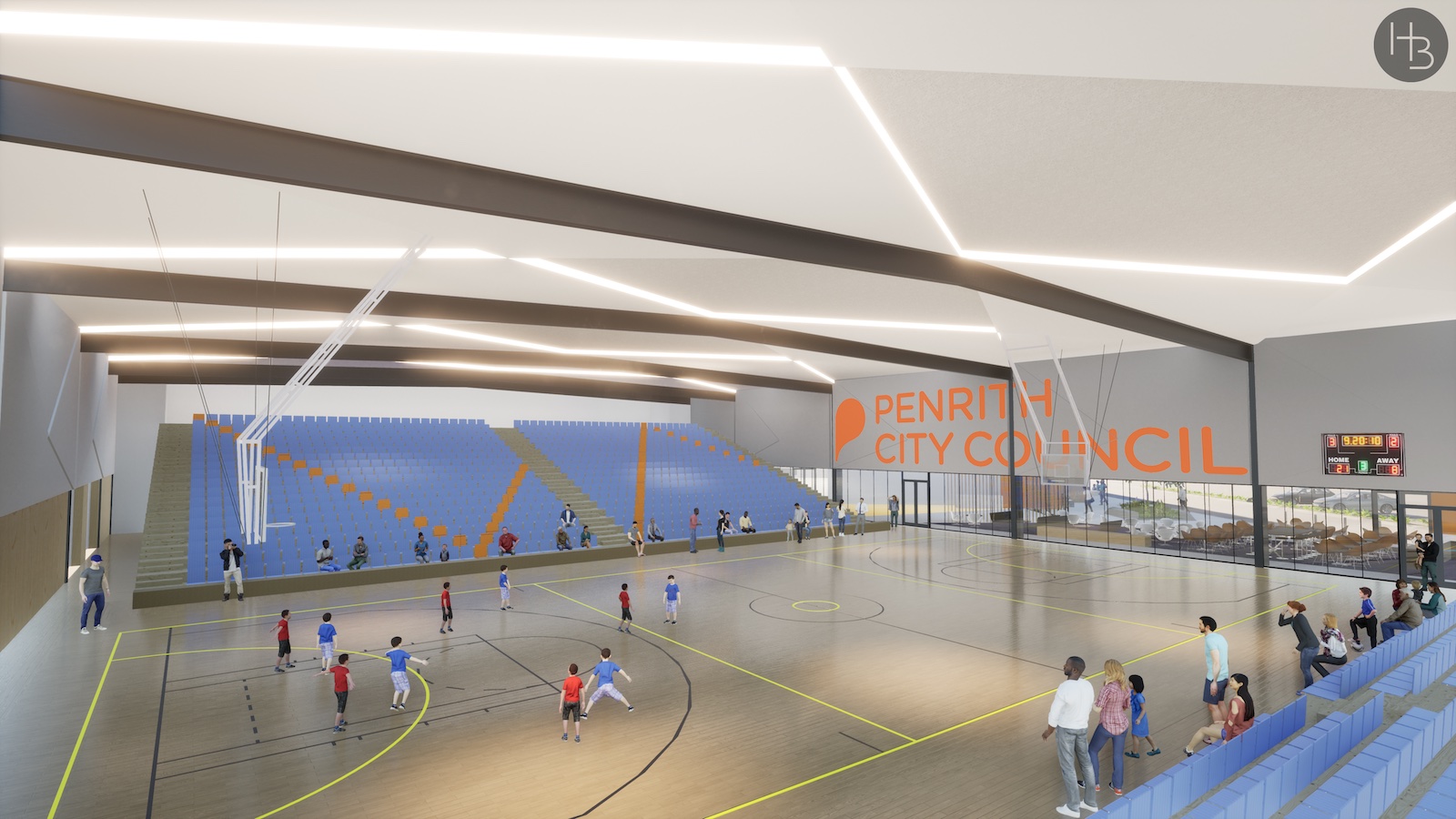
    • Ten multi-use sports courts, including a show court for various sports.
    • Squash courts with moveable walls for enhanced adaptability.
    • Flexible program rooms suitable for yoga, Pilates, dance, martial arts, and special events.
    • Covered outdoor skate rink.
    • Associated facilities like administration areas, foyer, kiosk, lounge, amenities, and storage spaces.
    • Outdoor recreation infrastructure and shared pathway connections along South Creek.

    Project Challenges/Key Learnings

    Working with site constraints including areas subject to flooding, existing easements and access considerations.

    Community Benefits

    • Modelling indicates that the centre will service up to 391,000 visitations in its first year of operation across a range of sports and activities.
    • Visitations will enhance liveability benefits through sustained opportunities for physical activity that can continue year-round, regardless of external climatic conditions.

    Parakiore Recreation and Sport Centre

    Parakiore Recreation and Sport Centre

    Parakiore Recreation and Sport Centre

    Client

    Rau Paenga (formerly Ōtākaro) and Christchurch City Council (New Zealand)

    Status

    Under construction, due to open late 2025

    Otium’s Role

    • Business Case, including detailed financial operating model and management structure.
    • Development of facility component schedules to guide the development of the architectural brief.
    • Ongoing Stakeholder engagement to guide facility component schedules.
    • Engagement with Sport New Zealand through the development of the key facility components to support high performance and national sporting bodies.
    • Ongoing advisor to the Design Team.
    • Functional and operational imperatives.
    • Community sport requirements.
    • High performance sport training requirements.
    • Event overlays at a regional, national and international level.

    Estimated Capital Cost

    $365 million

    Project Challenges/Key Learnings

    • Addressing multiple stakeholder needs
    • Balance between community and elite sport training needs.
    • Design implications to support the facility as an event centre.

    Community Benefits

    Contemporary sport and recreation facility that supports community participation, elite training and national and international competition.