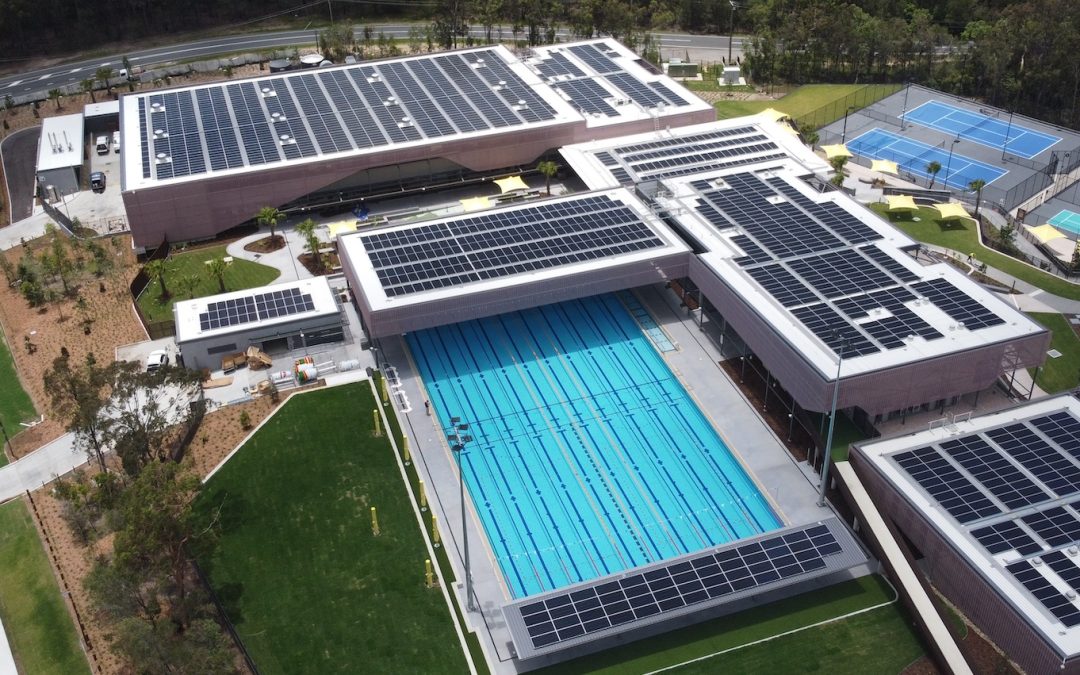
Pimpana Sports Hub and Aquatic Centre

Pimpana Sports Hub and Aquatic Centre

Pimpana Sports Hub and Aquatic Centre

Client

City of Gold Coast (QLD)

Project Purpose

Otium Planning Group was engaged, together with Liquid Blu Architects, by the City of Gold Coast Council to prepare a business case, in order to “establish an integrated aquatic, sporting and community precinct; provide social, community and event infrastructure in the Northern Gold Coast; and create a true, ‘contemporary’ destination for the local community and visitors.”

Heritage Park, located at 139 Rifle Range Road, Pimpama, was identified as the site for the delivery of the Precinct and was to incorporate the following elements:

  • Aquatic and leisure centre
  • Tennis centre
  • Community centre
  • Netball facility
  • Recreation parks and other community spaces.

Otium’s Role

  • Construction Staging Advice.
  • Development of Business Case Assumptions, including:
    • Operational hours
    • Generic, then agreed, management model
    • Potential staffing structure
    • Usage by activity type by activity area
    • Operational expenditure by activity area
      Global impacts (i.e. CPI, pricing, demand growth etc.)
    • Asset management costs and other relevant information.
  • Preparation of Base Case 10-year Electronic Financial Modelling.
  • Staging Advice.
  • Grant Application Support.
  • Return on Investment Analysis.

Project Outcomes

  • The co-location of multiple facilities, programs and services optimised management synergies, and capital delivery and operational costs.
  • The Sports Hub is close to capacity with Council planning now investigated a potential second site in the Northern corridor.

Project Challenges/Key Learnings

  • As a greenfield site, identifying the appropriate facility elements and their scale was critical to its sustainability.
  • Ensuring the Hub retained the intent of the original city-wide aquatic strategy became more difficult as new disciplines were introduced.

Community Benefits

  • There is a diversity of sport, recreation, event and social gathering opportunities for all members of the community regardless of their background.
  • The Hub is an integral destination for a significantly growing and new community to be physically active, engage and be healthy.
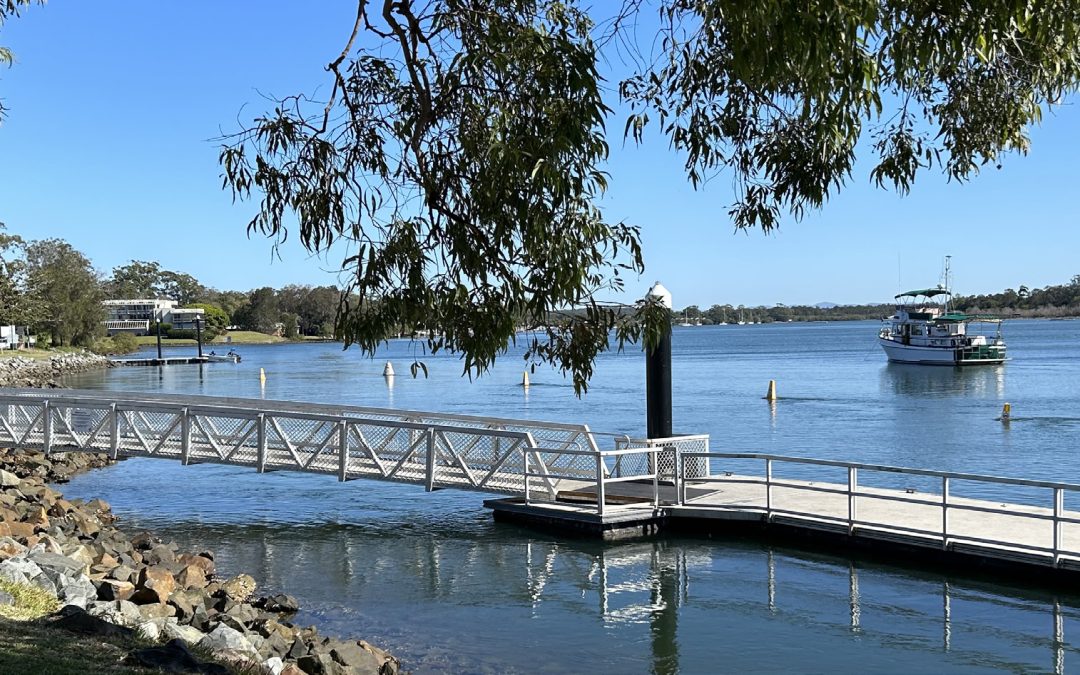
Port Macquarie Coastal Recreation Needs Study

Port Macquarie Coastal Recreation Needs Study

Port Macquarie Coastal Recreation Needs Study

Client

Port Macquarie Hastings Council (NSW)

Project Purpose

Otium was appointed by Port Macquarie Hastings Council to undertake the Coastal Recreational User Needs Analysis to identify key recreational activities undertaken in the coastal zone, patterns in usage and the suitability of existing infrastructure to support current and future recreation needs.

Otium’s Role

  • Analysis of recreational user groups and activities undertaken in the coastal zone.
  • Map, identify and review the assets that support both foreshore-based and water-based recreational activities.
  • Identify, assess and engage with key stakeholders responsible for the provision of recreational infrastructure and land/water in the Coastal zone.
  • Identify, prioritise, assess and map potential recreational opportunities within the coastal zone that may address emerging and future recreational usage pressure.

Project Outcomes

The recommendations of the Coastal Recreational Needs Study informed the future management actions and will be incorporated into the Port Macquarie Hastings Coastal Management Plan.

Project Challenges/Key Learnings

  • Continuing growth in urban population and tourism contributes to additional demand on coastal zones creating challenges for balancing coastal ecosystems.
  • Environmental concerns such as increased frequency of flooding, coastal erosion and shoreline recession require strategic and collaborative approach.

Community Benefits

  • Enhanced Access and Inclusion with universal accessibility at the core, and development of shared pathways and cycleways to connect coastal areas with town centres and open spaces.
  • Strengthened collaboration between government agencies and local groups for shared management and funding.
  • Future-proofing infrastructure by strategic planning for population growth and evolving recreation trends.
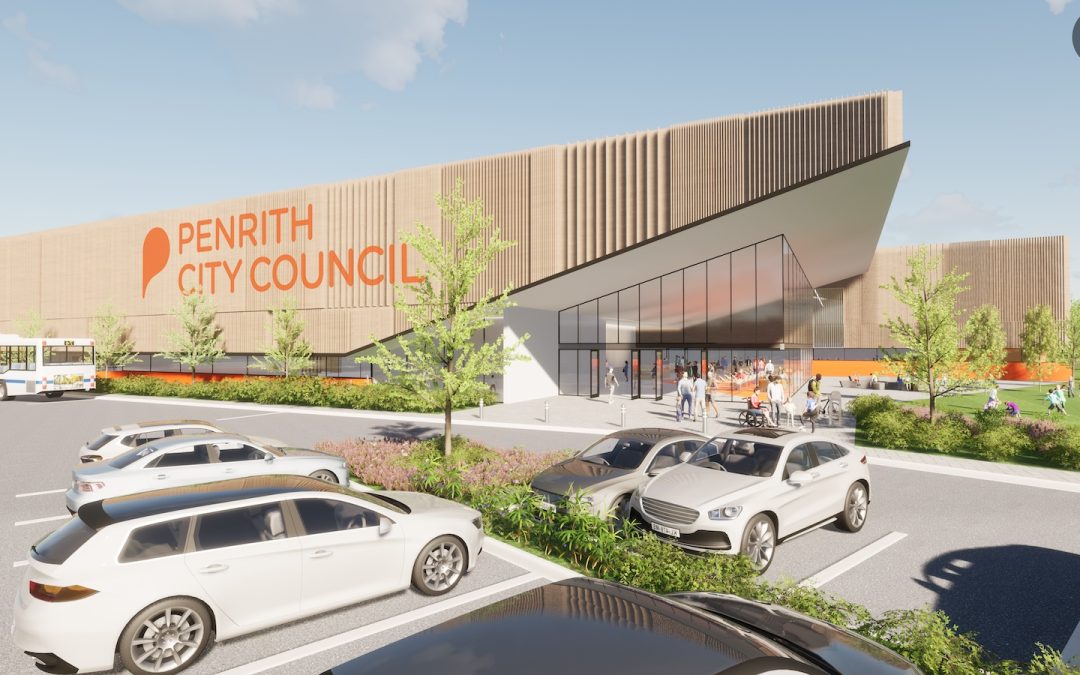
Penrith Indoor Multi-Sport Complex Business Case

Penrith Indoor Multi-Sport Complex Business Case

Penrith Indoor Multi-Sport Complex Business Case

Client

Penrith City Council (NSW)

Project Purpose

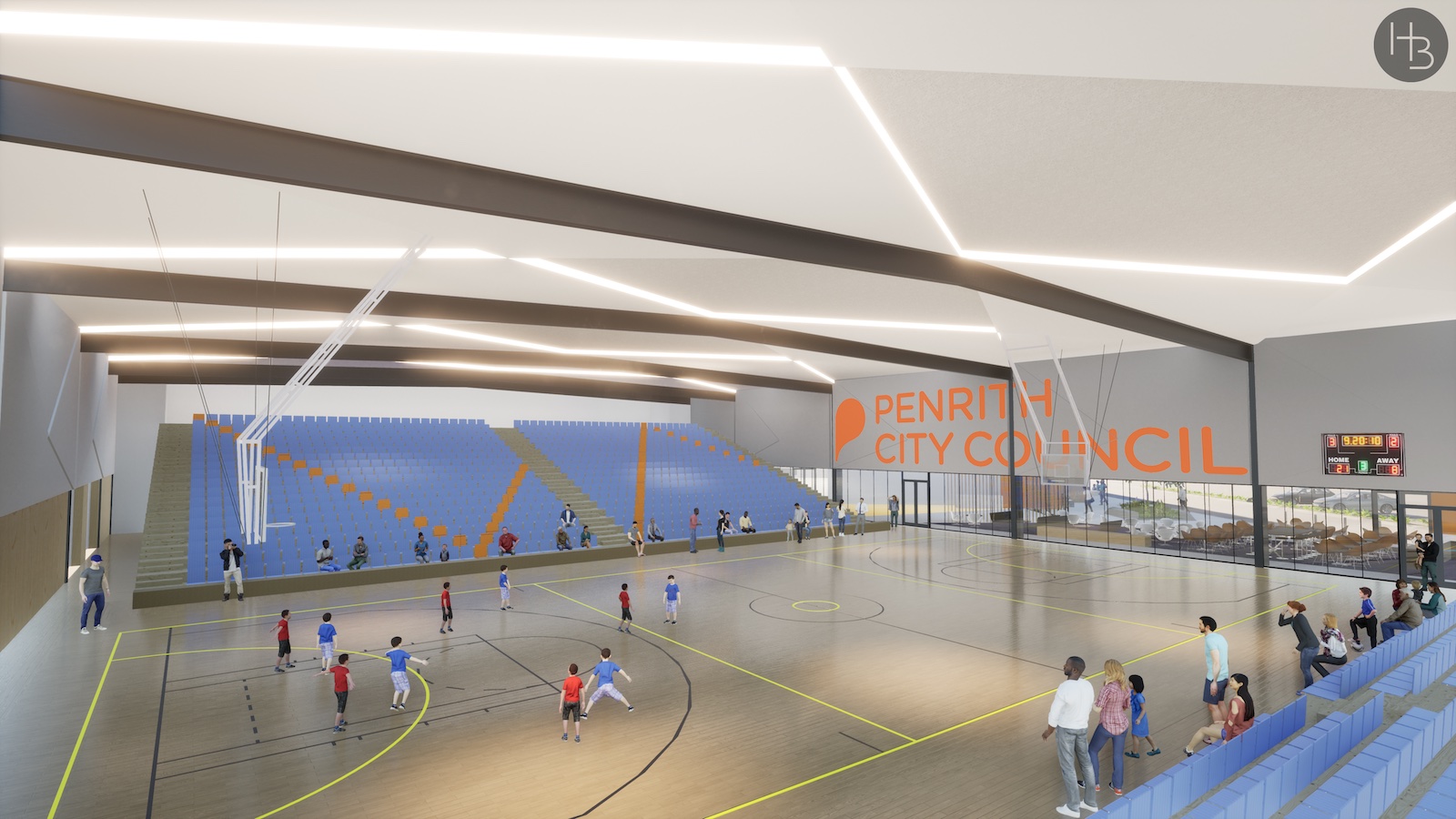
Preparation of a business case to provide the rationale of need for the development of a new indoor sports complex in Western Sydney. The business case developed by Otium was utilised to secure investment funding.

Otium’s Role

  • Demand analysis for indoor sports.
  • Concept plan development.
  • Financial, operational and visitation modelling.
  • Stakeholder engagement.
  • Engaging economists to undertake cost benefit analysis.

Project Outcomes

Successfully secured $106 Million to deliver:

  • Ten multi-use sports courts, including a show court for various sports.
  • Squash courts with moveable walls for enhanced adaptability.
  • Flexible program rooms suitable for yoga, Pilates, dance, martial arts, and special events.
  • Covered outdoor skate rink.
  • Associated facilities like administration areas, foyer, kiosk, lounge, amenities, and storage spaces.
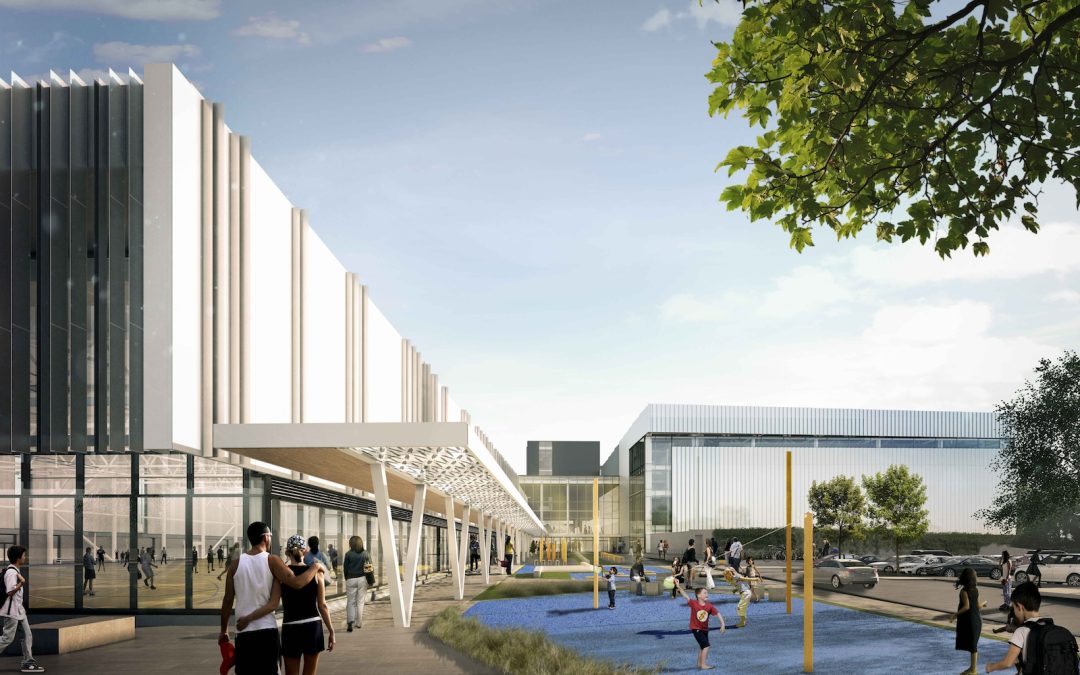
  • Outdoor recreation infrastructure and shared pathway connections along South Creek.

Project Challenges/Key Learnings

Working with site constraints including areas subject to flooding, existing easements and access considerations.

Community Benefits

  • Modelling indicates that the centre will service up to 391,000 visitations in its first year of operation across a range of sports and activities.
  • Visitations will enhance liveability benefits through sustained opportunities for physical activity that can continue year-round, regardless of external climatic conditions.
Parakiore Recreation and Sport Centre

Parakiore Recreation and Sport Centre

Parakiore Recreation and Sport Centre

Client

Rau Paenga (formerly Ōtākaro) and Christchurch City Council (New Zealand)

Status

Under construction, due to open late 2025

Otium’s Role

  • Business Case, including detailed financial operating model and management structure.
  • Development of facility component schedules to guide the development of the architectural brief.
  • Ongoing Stakeholder engagement to guide facility component schedules.
  • Engagement with Sport New Zealand through the development of the key facility components to support high performance and national sporting bodies.
  • Ongoing advisor to the Design Team.
  • Functional and operational imperatives.
  • Community sport requirements.
  • High performance sport training requirements.
  • Event overlays at a regional, national and international level.

Estimated Capital Cost

$365 million

Project Challenges/Key Learnings

  • Addressing multiple stakeholder needs
  • Balance between community and elite sport training needs.
  • Design implications to support the facility as an event centre.

Community Benefits

Contemporary sport and recreation facility that supports community participation, elite training and national and international competition.
Para Sports South East Queensland IndoorInfrastructure Legacy Strategy

Para Sports South East Queensland IndoorInfrastructure Legacy Strategy

Para Sports South East Queensland Indoor Infrastructure Legacy Strategy

Client

Paralympics Australia

Project Purpose

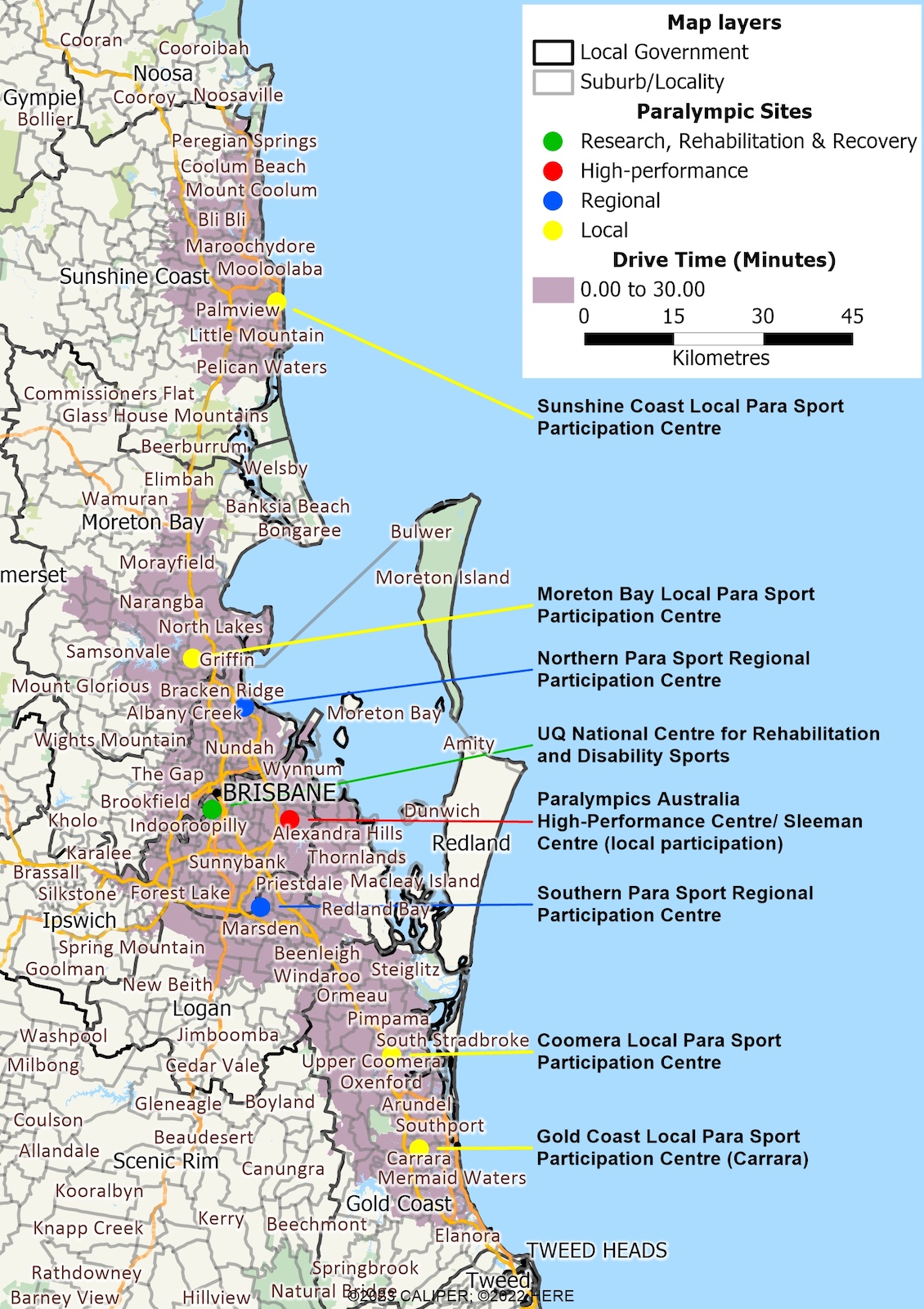
The Strategy incorporates a Hierarchy Framework for indoor para sport facilities that provides guidance on the purpose, location accessibility and facilities needs of indoor para sports.

Otium’s Role

  • Principal consultant
  • Research
  • Stakeholder engagement
  • Demand analysis
  • Indoor para sport infrastructure hierarchy framework
  • Future network development
  • Benefits assessment.

Project Outcomes

Used as a tool by Paralympics Australia to facilitate optimised legacy outcomes with 2032 Paralympic Games organisers.

Project Challenges/Key Learnings

  • Planning within Australia for disability sports is limited compared to the framework for able bodied athletes.
  • Otium was able to leverage its engagement techniques to acquire the knowledge necessary to develop a strategy that gained the support of the para sports community.

Community Benefits

Once implemented, para sports in South East Queensland will, for the first time, better address demand and accessibility, optimise high performance partnerships, including shared resources and learnings, have an environment for ongoing research, rehabilitation and recovery.