Review Of Supply and Demand for Sports Facilities in the NSROC Region

Review Of Supply and Demand for Sports Facilities in the NSROC Region

Review Of Supply and Demand for Sports Facilities in the NSROC Region

Client

Northern Sydney Regional Organisation of Councils (NSROC) (NSW)

Project Purpose

Provide a strong evidence base to assist NSROC and its Member Councils to advocate for greater strategic direction, secure grant funding, respond to pressure from stakeholders and coordinate a regional approach to supply and demand issues.

Otium’s Role

  • Catchment analysis.
  • Development of detailed inventory and mapping.
  • Trends analysis.
  • Demand modelling.
  • Assessment of supply and demand.
  • Future opportunities identification.

Project Outcomes

  • Adopted and currently being implemented.
  • Generated strong national and state media interest.
  • Winner of Parks & Leisure Australia (NSW) Strategic Planning Award (2024).
  • Commendation Parks & Leisure Australia Award (2024).

Project Challenges/Key Learnings

  • Coordinating data from eight Member Councils.
  • Facilitating an agreed approach to future opportunities.
  • Regular engagement with all key stakeholders is critical to ensuring collective agreement.

Community Benefits

  • Increased awareness of supply and demand gap challenges by all stakeholders.
  • Clear pathway to optimising current assets and planning for new assets via innovative strategies.

Northern Beaches Indoor Sport and Recreation Needs Study

Northern Beaches Indoor Sport and Recreation Needs Study

Northern Beaches Indoor Sport and Recreation Needs Study

Client

Northern Beaches Council (NSW)

Project Purpose

Otium was appointed by Northern Beaches Council to develop their Indoor Sport and Recreation Needs Study to guide Council’s provision, management and future planning of their indoor facilities for the long-term (15 years).

Otium’s Role

  • Analysis of the Northern Beaches indoor sport and recreation facilities.
  • Demand model analysis to outline current and future spatial requirements.
  • Engagement with local sporting associations, Government Agencies, and local venue operator site visits.
  • Development of evidence-based future directions and site-specific recommendations to guide Council’s planning.

Project Outcomes

The Indoor Sport and Recreation Needs Study provides Council with preliminary directions of future planning that considers its impact on demand deficit, financial resourcing, and timing.

Project Challenges/Key Learnings

  • Analysis of the Northern Beaches indoor sport and recreation facilities.
  • Demand model analysis to outline current and future spatial requirements.
  • Engagement with local sporting associations, Government Agencies, and local venue operator site visits.
  • Development of evidence-based future directions and site-specific recommendations to guide Council’s planning.

Community Benefits

  • Indoor sport and court facilities provide all-weather opportunities, can absorb greater capacity, and host a range of events.
  • The Indoor Sport and Recreation Needs Study will seek to optimise the shared use of indoor facilities which will provide greater access across a variety of user groups.
Northcote Aquatic and Recreation Centre (NARC) Redevelopment

Northcote Aquatic and Recreation Centre (NARC) Redevelopment

Northcote Aquatic and Recreation Centre (NARC) Redevelopment

Client

Darebin City Council

Capital Cost

$63.5 million

Project Purpose

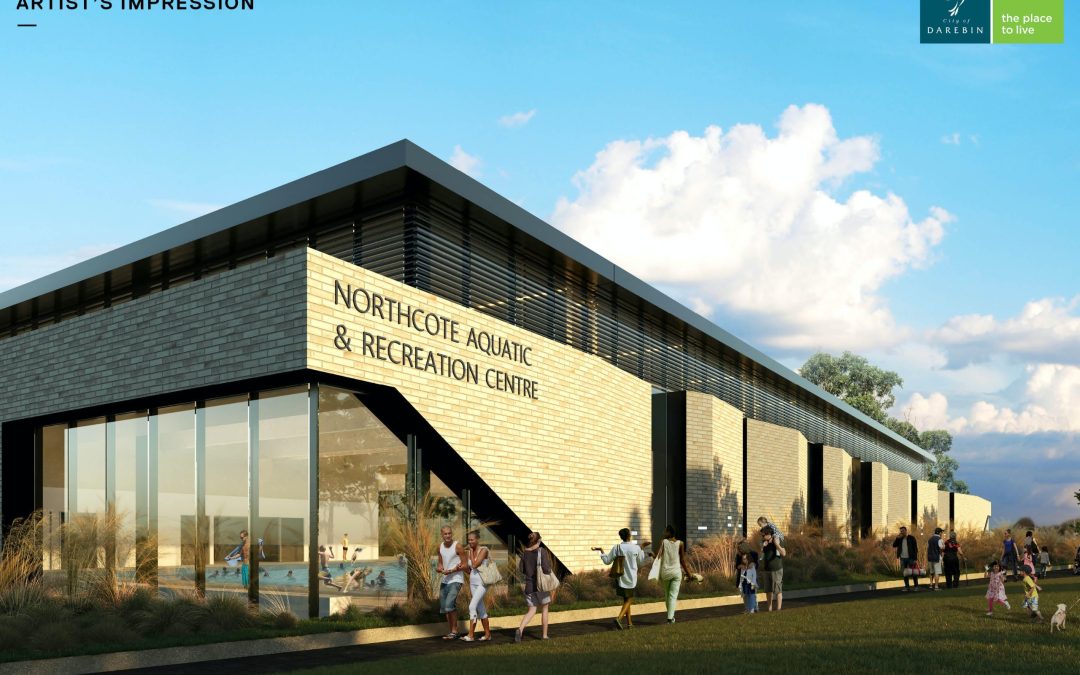
Replacement of the former Northcote Aquatic and Recreation Centre, with a new contemporary facility.

Otium’s Role

  • Feasibility Study.
  • Business Case and Financial Modelling.
  • Funding Application – $10 million low-interest loan from the State Government.
  • Design and planning advice as part of the design team. Review of
  • Operational and Management Options.

Project Outcomes

  • Successful funding and construction of an integrated aquatic and leisure centre.

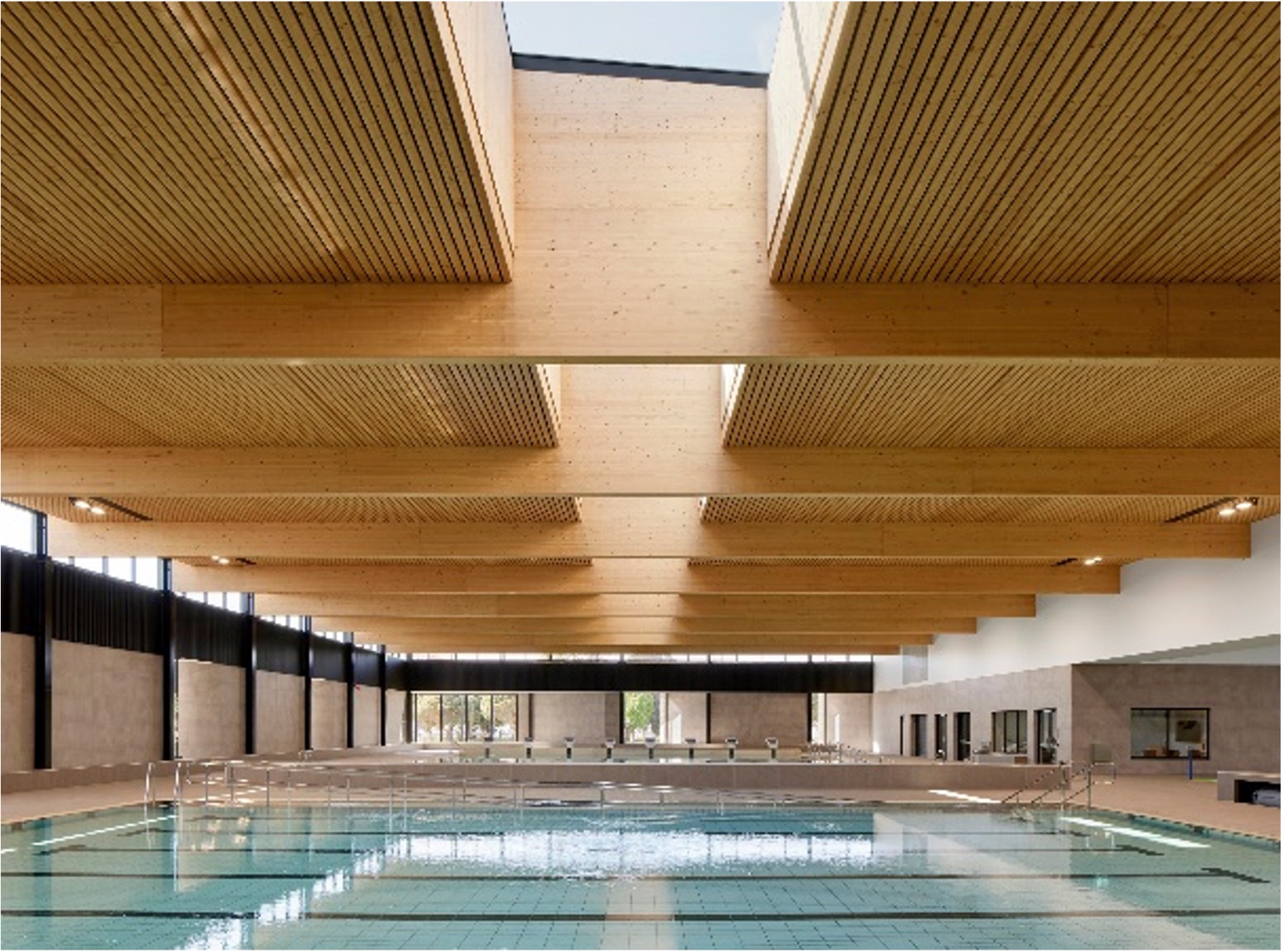
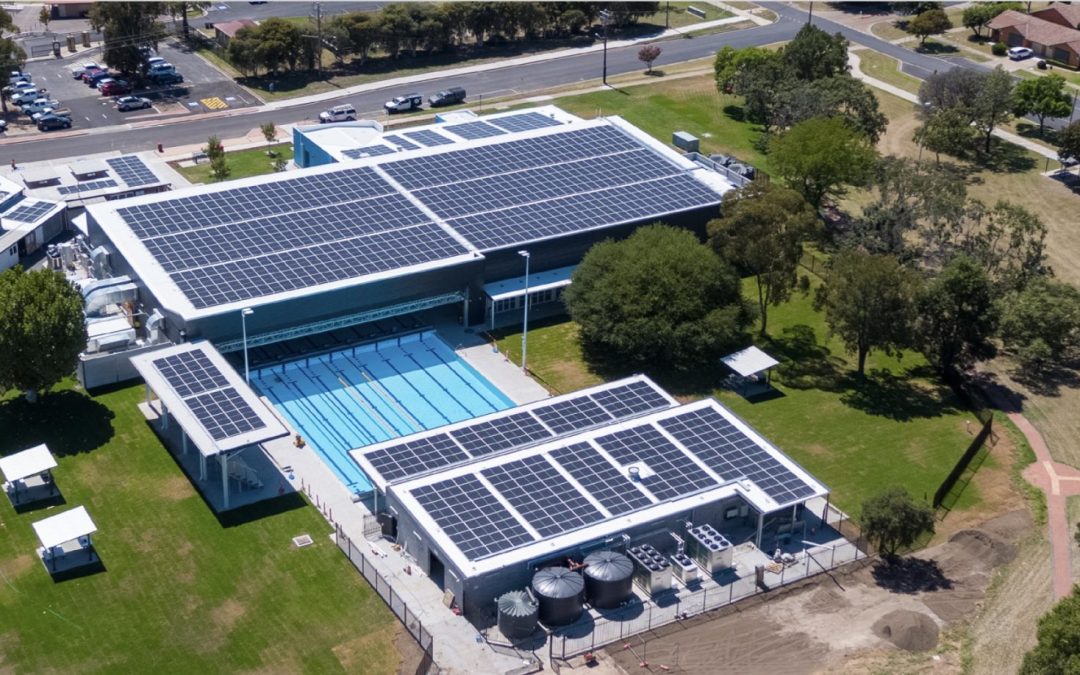
  • 6-star green star design included full electrification, skylights within pool hall for natural light, use of timber construction and pool blankets.

  • No net increase in carpark numbers with a focus on supporting active transport strategies.

Project Challenges/Key Learnings

  • The Centre design aligns with community expectations and addresses the needs of key user groups.
  • It includes key aquatic features such as a warmwater pool and a range of change room options responding to the evolving community profile.
  • The design is adaptable, allowing for future modifications based on changing trends.
  • There is engagement with First Nation organisations, ensuring integration into the facility design and programming opportunities.
  • A temporary displacement plan is in place for existing clubs and activities, including negotiations with other providers.
  • Appointing the management group early is essential for managing presales and transition.

Community Benefits

  • The Centre opened with 5,353 members, with 700 members signed in the first week of operation, and over 10,000 members by 12 months of operation.
  • The Centre attracted 1 million visitors within 10 months of opening.
  • 80% of staff live or study in Darebin.
  • 3,000 learn to swim members.
  • Partnership created with 10 local businesses.
  • Extended programming to satellite venues due to high demand.
Lake Macquarie Sports Strategy

Lake Macquarie Sports Strategy

Lake Macquarie Sports Strategy

Client

Lake Macquarie City Council (NSW)

Project Purpose

To provide a strategic framework and action plan to support sports participation, liveability, health, and wellbeing.

Extensive consultation was conducted to inform the Sports Strategy. This included surveys, workshops and interviews with the community members, facility management committees, sport clubs, state and regional sports organisations, schools, Council officers and elected councillors, Members of Parliament, neighbouring Councils and other identified key stakeholders.

Otium’s Role

  • Community and stakeholder engagement.
  • Developing strategic frameworks and action plans.
  • Implementation guidance, including financial planning and infrastructure strategies.

Project Outcomes

  • Clear strategic directions and actions.
  • Planning framework with design standards.
  • Facility categorisation and improvement opportunities.

Project Challenges/Key Learnings

  • Engaging diverse stakeholders effectively.
  • Balancing differing community needs.
  • Securing financial resources from various funding sources.

Community Benefits

  • Improved sports facilities for active lifestyles and wellbeing.
  • Clear roadmap for facility planning and management.
  • Inclusive engagement for all community voices.
Inverell Aquatic Centre Business Case

Inverell Aquatic Centre Business Case

Inverell Aquatic Centre Business Case

Client

Inverell Shire Council (NSW)

Project Purpose

Otium has worked with Inverell Shire Council in regional NSW across various stages for the redevelopment of the Inverell Aquatic Centre – from initial feasibility through to operations. A critical piece of the project delivery was the preparation of a business case in accordance with NSW Treasury Guidelines.

Otium’s Role

  • Feasibility investigations and options analysis.
  • Extensive community and stakeholder engagement.
  • Concept plan development in conjunction with partner architects.
  • Asset condition assessments in conjunction with partner engineers.
  • Financial, operational and visitation modelling.
  • Preparation of a business case to assist our client with their application for State and Federal funding opportunities.

Project Outcomes

  • The business case for this aquatic facility helped secure $6,755,000 across two NSW Government Grant Programs.
  • Innovative aquatic design to meet the specific needs of the Inverell community including a moveable boom to separate the 50m pool, allowing the indoor 25m portion to remain operational by closing the retractable glazed door during winter months.

Project Challenges/Key Learnings

  • The Aquatic Centre was more than 60 years old and nearing the end of its operational life.
  • A significant increase in operating costs since 2015, including repairs, maintenance, and energy.
  • Regular user groups needs were not being met.
  • The facilities were not fit for purpose to encourage broader community use.

Community Benefits

  • The funding secured helped the delivery of the redevelopment that occurred in 2023 and 2024.
  • The business case projected the following benefits: Increased visitation from 35,000 visits to over 100,000.
    • Health benefits of $2.185 million over 10 years
    • An estimated increase in regional income generated by the project of $15.962 million.
    • An average 14.9 FTE jobs per year.