Wurdi Baierr Aquatic and Recreation Centre

Wurdi Baierr Aquatic and Recreation Centre

Wurdi Baierr Aquatic and Recreation Centre

Client

Surf Coast Shire Council

Project Purpose

To assist the Surf Coast Shire Council with a Feasibility Study, Design Advice and Operator Procurement for the new Wurdi Baierr Aquatic and Recreation Centre.

Otium’s Role

  • Feasibility Study for the proposed Centre.
  • Ongoing design advice to Council and the design team.
  • Ongoing Financial Modelling to test the impact of various design options and market competition impact.
  • Management Modelling.
  • Specification Development and Request for Tender assistance.

Project Outcomes

The centre is currently under construction, due for completion in late 2026, and will open in early 2027.

Project Challenges/Key Learnings

  • Decisions by funding partners can significantly impact a project’s viability. An ongoing flexible approach is required.
  • There are considerable capital and ongoing operational expenses that the Council must account for when planning aquatic and leisure infrastructure.
  • Good design can minimise operational deficits.

Community Benefits

  • Health, social and economic benefits derived from the use of the new Centre.
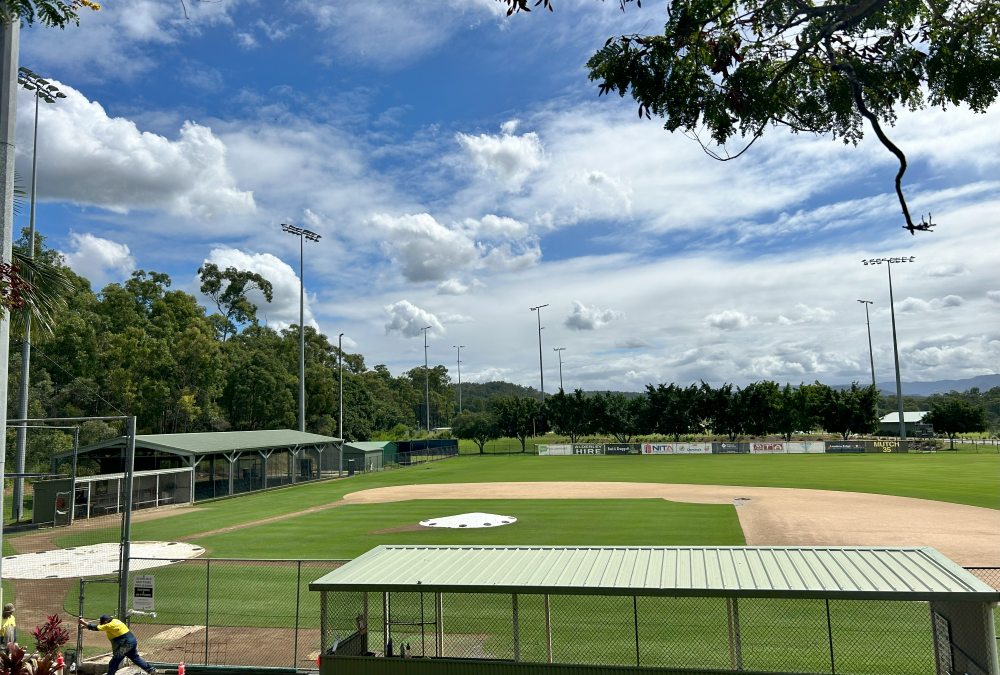
Moreton Bay Softball and Baseball Facility Feasibility Study

Moreton Bay Softball and Baseball Facility Feasibility Study

Moreton Bay Softball and Baseball Facility Feasibility Study

Client

Moreton Bay Regional Council

Project Purpose

To provide the City with a strategic blueprint for advancing softball/baseball facilities in the region.

Otium’s Role

  • Evaluation of existing facilities.
  • Participation and demand modelling.
  • Preparation of a component schedule.
  • Site assessment.
  • Preparation of concept layouts, cost estimates, operational and benefits assessment models.

Project Outcomes

  • The regional softball and baseball facility received strong support, and key findings indicate that the venue would be in high demand.
  • A prioritised strategic action plan was developed that considers the support required for the region’s softball and baseball needs.

Project Challenges/Key Learnings

  • Population increases.
  • Membership and participation growth.
  • Existing facilities needing further investment and upgrades.
  • Existing facilities at or nearing capacity.

Community Benefits

  • Location identified and feasibility undertaken.
  • The facility would be able to meet the long-term needs of the community.
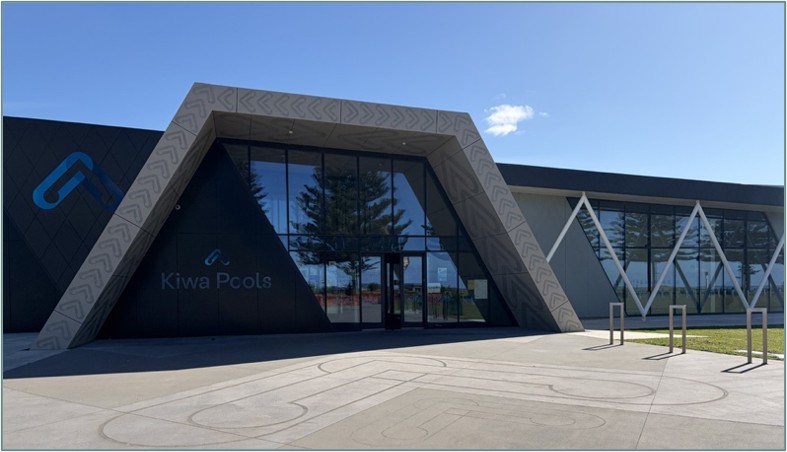
Kiwa Pools Operational Review and Future Facility Feasibility Options

Kiwa Pools Operational Review and Future Facility Feasibility Options

Kiwa Pools Operational Review and Future Facility Feasibility Options

Client

Gisborne District Council (New Zealand)

Project Purpose

Kiwa Pools was conceived as a flagship aquatic and community wellbeing hub for the people of Tairāwhiti, Gisborne. Otium was engaged to undertake a comprehensive operational review and develop a future facility options feasibility study, with the goal of optimising financial performance, enhancing community outcomes, and guiding sustainable, staged investment for the long-term future of Kiwa Pools and its precinct.

Otium’s Role

  • Comprehensive operational and financial review, benchmarking against national and international best practice.
  • Development of a robust, staged feasibility study, including 30-year financial benefits modelling.
  • Strategic advice on governance, management, and asset planning.
  • Facilitation of deep stakeholder and mana whenua engagement.
  • Implementation support for operational improvements and transition to in-house service delivery.

Project Outcomes

  • The operational review identified and implemented key operational improvements which led to enhanced customer experience and improved cost recovery without compromising community access.
  • The feasibility study delivered a staged roadmap for future investment. Each scenario was supported by detailed spatial overlays, cost estimates, and benefits modelling, ensuring Council could make informed, future-proofed decisions.

Project Challenges/Key Learnings

  • The project faced the challenge of balancing a region with high socio-economic deprivation and a young, diverse population with cost recovery.
  • Embedding the local Māori narrative was central to the project’s success. Otium worked in partnership with mana whenua to ensure facility design, programming and storytelling authentically reflected the region’s identity.
  • Otium’s process was underpinned by deep engagement with Council, staff, user groups and the wider community. This collaborative approach ensured that all voices were heard and that solutions were both ambitious and grounded in local realities.

Community Benefits

  • The revitalised outdoor areas provide safe and fun leisure and recreation opportunities for people of all ages.
  • An enhanced operating model ensures that prices are kept at a minimum to promote community access.
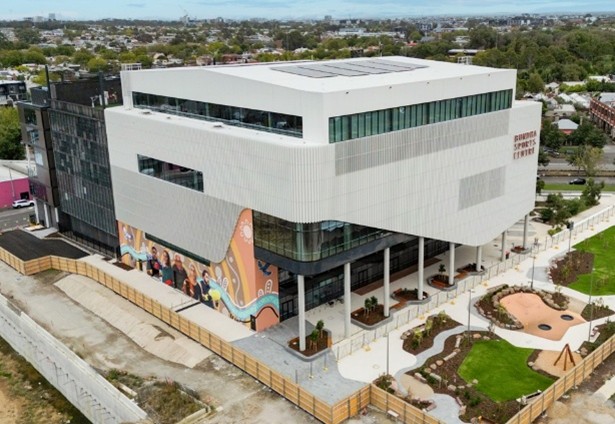
Bundha Sports Centre

Bundha Sports Centre

Bundha Sports Centre

Client

Sport and Recreation Victoria

Project Capital Cost

$54.5 million

Project Purpose

Bundha Sports Centre, constructed on the Fitzroy Gasworks site, is Australia’s first multi-level community indoor court facility. The centre comprises four courts for competition-level basketball, netball, and volleyball; a multi-purpose court for futsal; a gymnasium; a program/meeting room; a café and lounge area; community facilities; all gender change rooms; a foyer and reception area.

Otium was appointed by Sport and Recreation Victoria to undertake numerous stages of the project.

Otium’s Role

  • Preparation of the Feasibility Study.
  • Preparation of the Business Case.
  • Preparation of the Facility Operating Model including detailed financial modelling.
  • Review of the Management options.
  • Completed market sounding with external management companies.
  • Development of the operating agreement and tender documentation for the external lease arrangement.
  • Coordination of the development of a 20-year Capital Replacement and Maintenance Plan.
  • Assistance with the Tender Evaluation Process.


Project Outcomes

Successful appointment of a long-term venue manager, Clublinks.

Project Challenges/Key Learnings

  • Funded via Development Victoria, but local authority declined the option to manage the facility.
  • First sport facility contract arrangement for Victorian State Government. Other state facilities managed under State Sports Trust (separate statutory body).
  • Development of an integrated school (Education Department) and community sports facility (Sport and Recreation Victoria).
  • Development of a multi-use facility on small footprint.

Community Benefits

  • The first publicly accessible vertical sports centre in Australia.
  • The venue will support local sports clubs and encourage more of the community to get active.

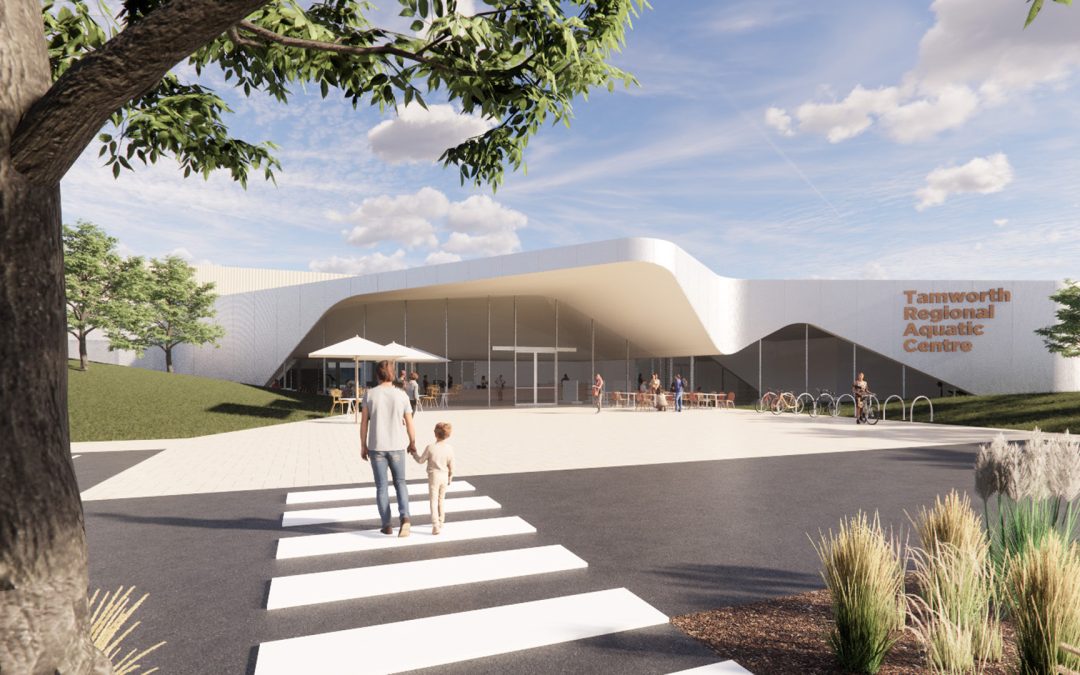
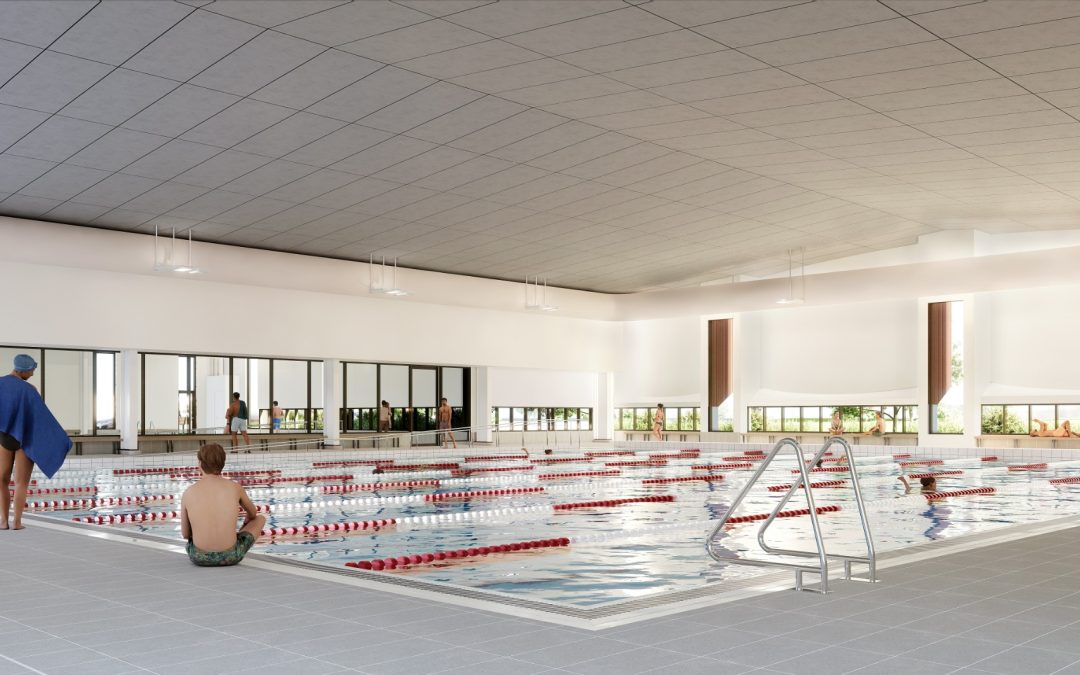
Tamworth Regional Aquatic Centre Business Case

Tamworth Regional Aquatic Centre Business Case

Tamworth Regional Aquatic Centre Business Case

Client

Tamworth Regional Council (NSW)

Project Purpose

Otium has worked with Tamworth Regional Council with its planning, design, and funding applications in several projects for the Tamworth Regional Aquatic Centre and Northern Inland Centre of Sport and Health. The critical pieces of works were developing Business Cases in accordance with NSW Treasury Guidelines.

Otium’s Role

  • Feasibility investigations and stakeholder engagement.
  • Site location assessments.
  • Concept plan development.
  • Preparation of a business case to assist our client with their application for State and Federal funding opportunities.
  • Design specification of the Regional Aquatic Centre, including the schedule of necessary components.

Project Outcomes

  • The Business Case for this Aquatic Centre was successful in earning $15 million through NSW Centre of Excellence Fund and $9 million through the Australian Government Growing Regions Fund.
  • The project will provide regionally significant aquatic, sport, and recreational facilities to the local Tamworth community and the surrounding New England North West region across three development stages.

Project Challenges/Key Learnings

  • The Council’s existing Aquatic Centres were both aged and facing the end of their serviceable life.
  • Consultation with a range of stakeholders and managing the needs required in the precinct.
  • Testing of design options across various sites.
  • Disruptions to planning and the cost implications of COVID-19.

Community Benefits

  • The Business Case has significantly contributed to funding the $45 million centre.
  • A total of $132,063.560 direct and indirect benefits will be realised over 10 years of the centre’s operation.
  • Increase in regional income through hosting of sporting events and additional employment opportunities.