Community Infrastructure Functionality Audit Report

Community Infrastructure Functionality Audit Report
Community Infrastructure Functionality Audit Report

Client

City of Rockingham

Project Purpose

To undertake a community infrastructure functionality audit report on 15 of the City of Rockingham’s community buildings, including community centres, sports pavilions, tennis clubs and bowls clubs.

Otium’s Role

  • Undertake a site inspection and assessment, and review of background documentation, of each building to identify the current provision standards, level of service (against City requirements) and functionality (capability and capacity).
  • Identification of how each building or broader site could meet relative ‘fit for purpose’ criteria to inform future infrastructure needs and where relevant, highlight areas for improvement.

Project Outcomes

  • There was a lack of data for some leased buildings, which meant that Otium was unable to assess the current usage of these facilities.
  • The project did not include consultation with key users of each building, which meant that specific recommendations relating to what changes, additions or modifications may be required could not be made.

Project Challenges/Key Learnings

  • Development of a functional profile for each building, including layout, dimensions, a visual record and condition, that will lead to the development of recommendations for consideration within the City’s Long-Term Financial Planning process.
  • Development of a new functional profile template for buildings and Prioritisation Assessment Matrix (PAX) for prioritisation.

Community Facilities Guidelines

Community Facilities Guidelines

Community Facilities Guidelines

Client

Parks and Leisure Australia WA

Project Purpose

To develop a tool for practitioners in the Parks and Recreation industry to determine appropriate standards and options for facility provision, and to support an orderly and planned process of facility and service development.

Otium’s Role

  • Extensive literature review of relevant documents from Australia, New Zealand, the UK and Canada to establish key themes and industry benchmarks.
  • Data collection on facilities per capita and facility access.
  • Development of a library of plans for facilities suitable for a range of locations, populations and uses.
  • Production of a series of guideline statements for identified priority areas.

Project Outcomes

  • The guidelines are currently being used to inform state and local level planning across a number of disciplines. Due to the engagement and peer review undertaken, the outputs have significant weight in the land use planning decision-making process.

Project Challenges/Key Learnings

  • Due to budget constraints, the project was undertaken in three key stages over a period of eight years.
Community Facilities Planning Framework

Community Facilities Planning Framework

Community Facilities Planning Framework

Client

City of Wanneroo

Project Purpose

To develop the Community Facilities Planning Framework with a view to provide structure to the way the City plans for new and existing community facilities, including sport and recreation spaces, community centres, shared use facilities and sports buildings

Otium’s Role

  • Extensive documentation review.
  • Development of a Framework establishing provision standards to guide the planning and development of the City’s community facilities.
  • Development of an audit tool to be used in the analysis of existing and future community facilities.

Project Outcomes

  • Establishment of three core recommendations – Planning Principles, Standards of Provision and Project Prioritisation.

Project Challenges/Key Learnings

  • Incomplete and out of date documentation requiring a full document review to be undertaken, extending the timeframe of the project.

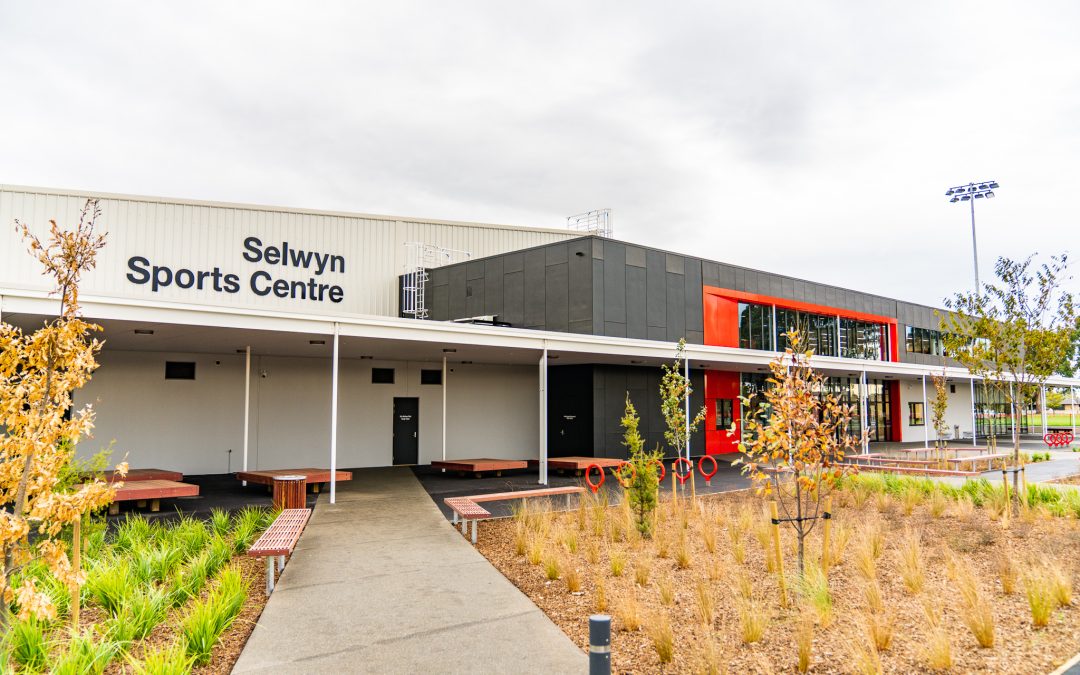
Selwyn Community Facilities Network Strategy

Selwyn Community Facilities Network Strategy

Selwyn Community Facilities Network Strategy

Client

Selwyn District Council

Project Purpose

Development of a clear strategic framework that guides how community facilities are planned, owned, operated and invested in across the Selwyn District (District) over time.

Otium’s Role

  • Complete high-level functionality assessments, benchmarking, demographic analysis and catchment mapping.
  • Model future demand and identify network gaps, pressures and duplication.
  • Classification of facilities based on their strategic role within the district-wide network.
  • Test retain, enhance, repurpose, replace, consolidate and divest scenarios.
  • Development of a staged implementation plan aligned with long-term strategies.
  • Develop a prioritised implementation pathway supported by property advice and Social Return on Investment analysis.

Project Outcomes

  • An overarching Community Facilities Network Strategy integrating all major facility types.
  • The development of four separate network plans:
    • Galleries, Libraries, Archives and Museums Network Plan
    • Aquatic Facilities Network Plan
    • Community Centres and Halls Network Plan
    • Indoor Courts Network Plan.
  • A consistent framework for assessing need, facility roles, levels of service and future provision.
  • Clear priorities for investment, renewal, repurposing, consolidation, partnerships and potential divestment.
  • A staged roadmap aligned with Council’s Long-Term Plan and Infrastructure Strategy processes.
  • Decision-ready advice to support transparent, sustainable investment choices.

Project Challenges/Key Learnings

  • Rapid and uneven growth requires different responses for urban areas, established towns and rural communities.
  • Facilities vary in ownership, age, function and operating model, requiring a consistent assessment approach.
  • Planning must balance community value with affordability, asset sustainability and long-term fiscal resilience.

Community Benefits

  • More equitable access to community facilities.
  • Better utilisation of existing facilities leading to a more sustainable network.
  • Investment will be directed to the spaces and services that deliver the greatest long-term community benefit.
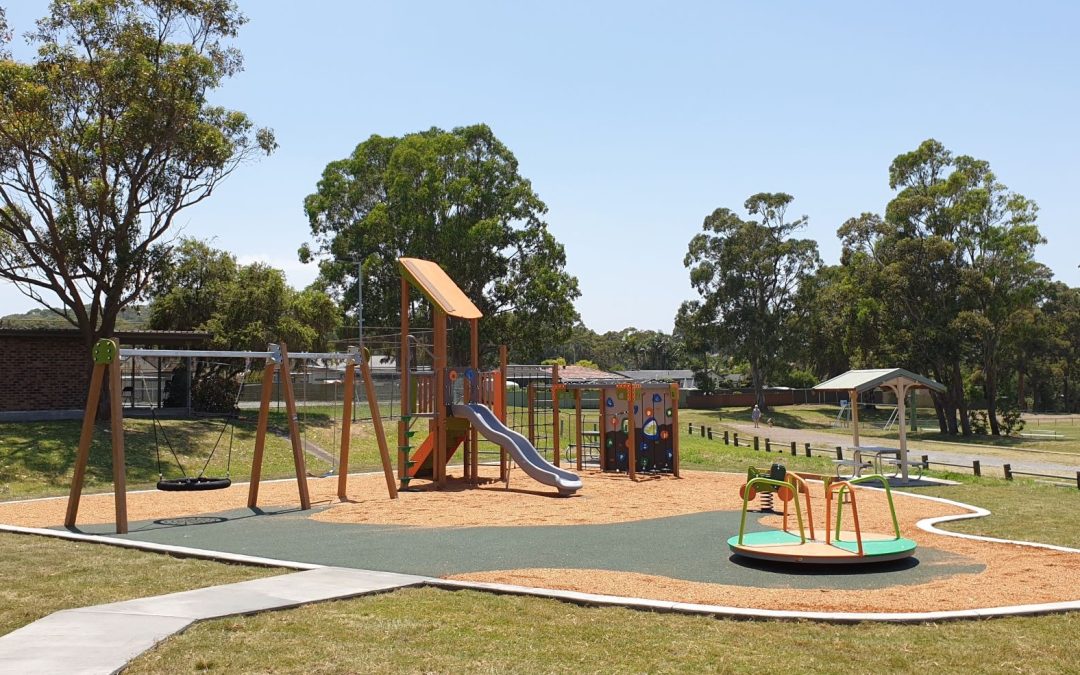
Lake Macquarie Parks & Play Strategy

Lake Macquarie Parks & Play Strategy

Lake Macquarie Parks & Play Strategy

Client

Lake Macquarie City Council

Project Purpose

To develop a strategic framework for the provision, management, maintenance and promotion of parks, playground and public amenity buildings throughout the Lake Macquarie Local Government Area.

Otium’s Role

  • Research and analysis of the current situation.
  • Community and stakeholder consultation.
  • Development of vision and guiding principles for parks, play-spaces and public amenities.
  • Development of hierarchy and provision framework for parks, play-spaces and public amenities.
  • Development of action plans.
  • Development of prioritisation and implementation tools.

Project Outcomes

Development of a long-term vision and framework for the provision, enhancement and use of the parks and playspaces network. An action plan was created for the city as a whole and across the catchment areas of:

  • Belmont
  • Charlestown
  • Glendale
  • Morisset
  • Toronto.

Testimonial

“Our experience working with the Otium Planning team on our Parks & Play Strategy was great. The team were knowledgeable, motivated, professional, adaptive and really easy to work with. They delivered a great outcome and helped to make the project an enjoyable experience.”

Stephen Prince

Recreation and Land Planning Coordinator | Lake Macquarie City Council